How Ozone Sauna Therapy Supports Cellular Detox and Immune Health - Empower Wellness Spa

| Wellness Tips
Ozone sauna therapy combines heat with ozone exposure around the body. The heat encourages sweating and temporarily increases blood flow near the skin. Those effects are different from removing toxins from cells, improving cellular energy production, or strengthening immunity.
Understanding how ozone sauna therapy supports cellular wellness starts with separating the sauna experience from claims about biological changes. Warmth and time to relax can be part of self-care, while your liver, kidneys, and other organs continue their everyday work of processing and eliminating waste.
What is “Cellular Detox”?
“Cellular detox” is a wellness phrase, not a description of a single process that happens during a spa treatment. Your body continuously processes substances, reuses cellular components, and removes waste.
The liver transforms many substances so they can be used or eliminated. The kidneys filter blood and remove waste through urine. The digestive system also helps eliminate material from the body.
Sweating serves a different primary purpose: controlling body temperature. Sweat contains water, electrolytes, and small amounts of other compounds, but producing more sweat isn't a measure of how thoroughly your cells have been “cleaned.”
Why Cellular Health Matters
Cells need nutrients, oxygen, energy, and functioning waste-handling systems. They also communicate with one another and maintain defenses against everyday cellular stress.
Cellular wellness involves several connected functions:
- Producing and using energy.
- Processing nutrients and metabolic byproducts.
- Maintaining antioxidant defenses.
- Repairing and replacing cellular components.
- Communicating with surrounding cells.
A pleasant treatment experience doesn't directly measure any of these functions. That distinction helps keep a wellness goal separate from a medical claim.
Why Does Immune Health Matter to Cellular Wellness?
Your immune system relies on specialized cells that recognize threats, communicate, and coordinate responses. These activities require energy, nutrients, and movement throughout the body.
More immune activity isn't always better. An effective immune response needs to match the situation, then settle when that response is no longer needed. Excessive or poorly regulated activity can also cause problems.
For that reason, “boosting immunity” is an incomplete way to describe health. Feeling refreshed after a sauna session and having a more effective immune response are different outcomes.
The Role of Circulation in Cellular Wellness
Blood carries oxygen and nutrients to tissues and transports carbon dioxide and other metabolic byproducts away. It also carries hormones and immune cells.
The lymphatic system performs a related but distinct role. It returns excess tissue fluid to circulation and supports immune surveillance through lymphatic vessels and nodes.
Sauna heat widens blood vessels near the skin as the body works to release heat. This temporary response can produce warmth or flushing. It doesn't, by itself, demonstrate improved circulation throughout the body or increased lymphatic drainage.
What Is Ozone Sauna Therapy?
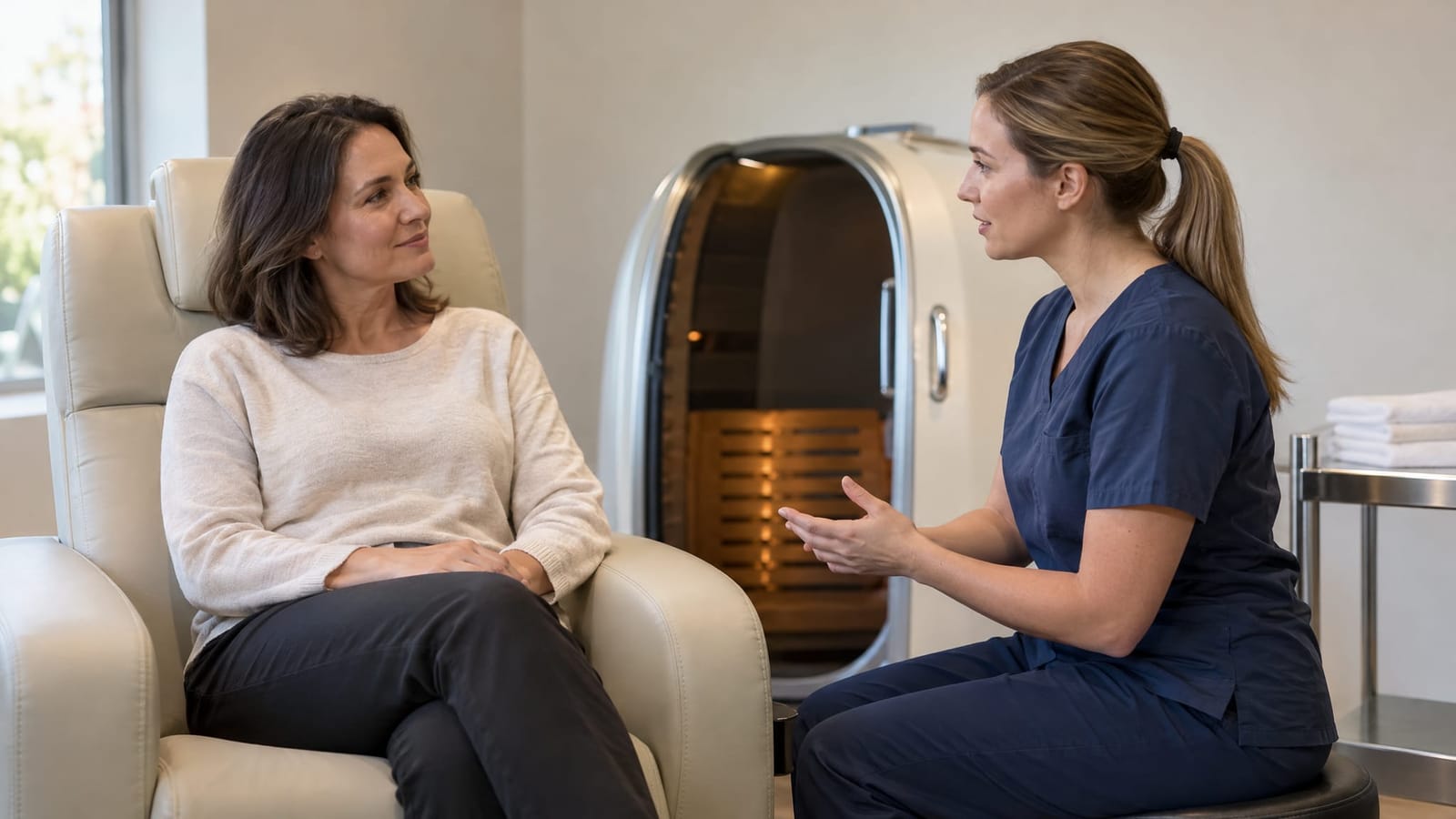
An ozone sauna combines a heated enclosure with ozone introduced around the body. In a head-out setup, the body sits inside the enclosure while the head remains outside.
That arrangement differs from a conventional sauna, where the surrounding air is heated without adding ozone. The sauna component creates warmth and sweating; ozone adds a separate chemical exposure.
Ozone can irritate and damage the lungs when inhaled. Keeping the head outside the enclosure is only one part of exposure control. It doesn't replace proper containment, ventilation, equipment operation, or attention to gas escaping into the breathing area.
Ozone Is Not the Same as the Oxygen You Breathe
The oxygen in the air we breathe is O₂, a molecule containing two oxygen atoms. Ozone is O₃, containing three oxygen atoms. This difference makes ozone much more reactive.
Ozone isn't simply “extra oxygen.” Exposing the skin to ozone is not the same as delivering oxygen to tissues through normal breathing and circulation.
Where Ozone Sauna Therapy Fits Into Wellness
For someone considering ozone sauna therapy in Los Angeles, a useful starting point is the experience they want: warmth, a quiet break, or dedicated time for self-care.
A traditional sauna also provides heat, so the added ozone deserves separate consideration. Enjoying warmth doesn't automatically make ozone exposure appropriate, and the addition of ozone doesn't explain the sweating caused by heat.
Regular movement, nourishing meals, adequate hydration, and consistent sleep remain the foundation of an everyday wellness routine.
How Ozone Sauna Therapy May Support Cellular Wellness
The phrase “cellular wellness” brings together several different biological functions. Separating them helps explain what sauna heat does without turning that experience into a claim about detoxification, immunity, or cellular repair.
1. It May Support Healthy Circulation
The heat component temporarily increases blood flow near the skin. This is part of normal temperature regulation and helps explain the warm, flushed feeling during a session.
That short-term response is different from treating a circulation disorder or demonstrating a lasting improvement in blood flow. A stronger sensation of heat isn't a measure of a greater circulation benefit.
2. Understanding the Body’s Antioxidant Response
Cells produce reactive molecules during normal metabolism. Antioxidant systems help manage those molecules and maintain balance.
Ozone is an oxidant, not an antioxidant. An oxidative reaction and a beneficial antioxidant response aren't interchangeable concepts. Neither sweating nor feeling relaxed provides a way to assess changes in antioxidant defenses.
3. Understanding Cellular Energy Processes
Mitochondria help convert nutrients into usable cellular energy. Their function is part of a much larger system involving nutrition, oxygen delivery, and normal cellular regulation.
Feeling refreshed after sitting quietly in warmth is a personal experience, not a measurement of mitochondrial function. Descriptions such as “supercharging cells” blur that distinction.
4. Understanding the Body’s Natural Detoxification Processes
Your liver, kidneys, digestive system, and lungs handle different aspects of processing and eliminating substances. Those functions continue before, during, and after a sauna session.
Heat promotes sweating, but sweating doesn't take over the work of these organs. A sauna can occupy a place in a self-care routine without being described as a treatment that flushes toxins from cells.
5. Understanding a Balanced Immune Response
Immune balance means responding appropriately to a threat, rather than keeping immune activity as high as possible.
A comfortable session can be evaluated by how tolerable and relaxing it feels. It can't be used as a test of immune function or protection against infection. Claims about immunity require a different kind of assessment than a spa experience provides.
6. Understanding a Healthy Inflammatory Balance
Inflammation is part of the body's response to injury and other challenges. Persistent or poorly regulated inflammation is different from the temporary responses involved in normal healing.
Warmth, temporary skin flushing, and a relaxed feeling don't reveal whether an inflammatory condition has changed. Describing a session as rejuvenating is different from describing it as treatment for an inflammatory disease.
Why the Heat Component Matters
Heat accounts for many of the sensations associated with an ozone sauna. Blood vessels near the skin widen, sweating increases, and heart rate can rise as the body manages the additional heat.
The experience can feel physically demanding even while you're sitting still. More heat or heavier sweating doesn't automatically make a session more beneficial.
- Warmth: The temperature creates the main physical sensation.
- Perspiration: Sweating helps release heat and causes fluid loss.
- Temporary skin circulation changes: Increased surface blood flow can cause flushing.
- Quiet time: Sitting away from everyday demands creates an opportunity to unwind.
These heat-related effects don't need to be attributed to ozone to explain the experience.
What to Expect From an Ozone Sauna Therapy Session
A head-out ozone sauna session generally involves preparation, time inside the enclosure, and a gradual cool-down. Equipment and operating procedures differ, so the explanation of the session matters as much as the description of its intended benefits.
The sauna experience is non-invasive and doesn't involve injections. That describes how the service is delivered, not whether it is suitable for every person.
Before Your Ozone Sauna Session
Preparation centers on hydration, comfort, and a clear understanding of the procedure.
- Hydration: Normal hydration throughout the day is more practical than trying to compensate by drinking a large amount immediately before the session.
- Meal comfort: A very heavy meal shortly before sitting in heat can feel uncomfortable.
- Health information: Medication use, heat sensitivity, respiratory concerns, and other medical circumstances belong in the suitability discussion.
- Session controls: The process for communicating discomfort and ending the session needs to be clear before it begins.
During the Ozone Sauna Session
The body sits inside the enclosure while the head remains outside. Warmth and perspiration are the most noticeable sensations, and the skin can become flushed.
Comfort matters more than reaching maximum heat or producing maximum sweat. There is no benefit in treating discomfort as a test of endurance.
Dizziness, nausea, unusual weakness, breathing discomfort, or feeling unwell are reasons to stop the session and alert the provider. These symptoms aren't evidence of a beneficial “detox reaction.”
After Your Ozone Sauna Treatment
A short period of cooling down allows the warm sensation to settle. Water replaces fluid lost through sweating, while a quiet transition gives you time to assess how you feel.
Feeling ready to resume normal activity is more useful than expecting a particular result. A session doesn't need to leave you exhausted, intensely flushed, or heavily perspiring to count as a wellness experience.
How Often Should You Have Ozone Sauna Therapy?
There isn't one schedule that fits everyone. Equipment, heat exposure, individual tolerance, and the purpose of the session all affect the frequency discussion.
A proposed schedule is more useful when it explains:
- What the sessions are intended to provide.
- How comfort and heat tolerance will be assessed.
- What would lead to changing or stopping the schedule.
- How it fits alongside exercise and other heat-based activities.
More sessions don't automatically produce better outcomes. Package size or appointment frequency isn't a measure of cellular detoxification or immune benefit.
What Should You Look for in an Ozone Sauna Provider?
A clear explanation of exposure controls is more useful than broad claims about rejuvenation. Relevant questions include:
- How is ozone contained within the enclosure?
- How is the breathing area protected from escaping gas?
- How are ventilation and equipment operation managed?
- How are heat and comfort monitored?
- How can a person end the session promptly?
- What preparation and aftercare information is provided?
- How are individual health concerns handled before treatment?
Promises to cure chronic disease, reverse aging, eliminate unspecified toxins, or guarantee medical outcomes don't describe an appropriate wellness-service goal.
Who May Consider Ozone Sauna Therapy?
The decision starts with personal goals and suitability, not a diagnosis someone hopes to address. Interest in warmth and relaxation is different from seeking treatment for persistent fatigue, pain, or other symptoms.
Ozone Sauna Therapy for General Wellness
For general self-care, useful goals are concrete: time away from daily demands, a comfortable heat-based experience, or a structured opportunity to unwind.
Those goals can be assessed without relying on claims about toxins or immunity. The experience also remains separate from the everyday habits that sustain well-being, including sleep, hydration, balanced meals, and movement.
Ozone Sauna Therapy for Active Lifestyles
Exercise and sauna heat both place demands on temperature regulation and fluid balance. Additional sweating after strenuous activity isn't automatically a recovery advantage.
For an active person, the practical question is whether another heat-based activity fits comfortably into the day. Relaxation after exercise is different from healing an injury or accelerating tissue repair.
Is Ozone Sauna Therapy Right for Everyone?
No. Heat causes fluid loss and adds cardiovascular demands, while inhaled ozone poses respiratory risks.
This is general wellness information. Individual medical suitability needs assessment by a licensed healthcare professional who knows your history, particularly during pregnancy or nursing, with respiratory or cardiovascular conditions, difficulty regulating body temperature, medication use that affects heat tolerance, or another significant medical concern.
Previous comfort in a conventional sauna doesn't account for the added ozone exposure. A wellness intake and a pleasant treatment environment don't replace that individualized medical assessment.
What Can You Realistically Expect From Ozone Sauna Therapy?
The immediate experience is a warm enclosure, perspiration, and time set aside from normal activity. Some people find that relaxing. Others find heat uncomfortable.
Warm skin, sweating, or a refreshed feeling aren't measurements of antioxidant activity, mitochondrial function, toxin removal, or immune health.
A practical evaluation focuses on comfort, how you tolerate the experience, and whether it serves the self-care goal you identified. It doesn't depend on interpreting every sensation as a health improvement.
Support Your Wellness Routine With Ozone Sauna Therapy
At Empower Wellness Spa in Los Angeles, we offer Ozone Sauna Therapy as part of our wellness services. Our approach emphasizes personalized care, relaxation, and self-care.
The clearest decision separates three things: the effects of heat, the additional considerations involved with ozone, and the experience you want from a session. Keeping those distinctions in view makes it easier to choose a wellness service without confusing relaxation with medical treatment.
FAQ Section
The article retains its existing FAQ section. No additional FAQ block is needed.
Schema Recommendation
BlogPosting with headline, description, articleBody, mainEntityOfPage, datePublished, dateModified, and publisher. Use Empower Wellness Spa as the publisher and retain the original publication date separately from the actual modification date.
Does ozone sauna therapy detox your body?
Your liver, kidneys, and other organs already process and eliminate waste. Sauna sweating primarily regulates temperature. The amount of sweat isn't a test of toxin removal from cells.
Does ozone sauna therapy support immune health?
A warm or relaxing session doesn't demonstrate improved immune function. Ozone sauna therapy isn't an immune-boosting treatment or a way to prevent infections.
Does an ozone sauna make you sweat?
Yes. Heat encourages sweating as the body works to cool itself. How much you sweat varies, and heavier perspiration doesn't automatically mean a better session.
Can I use an ozone sauna if I have a medical condition?
Suitability depends on the condition, medications, heat tolerance, and other individual factors. Enjoying heat in the past doesn't resolve the separate considerations involved with ozone exposure.
What should I drink after an ozone sauna session?
Water is generally a practical choice for replacing fluid lost through sweating. Individual fluid restrictions or an existing medical hydration plan take precedence over general spa hydration suggestions.
How often can I have an ozone sauna session?
There is no universal frequency. A schedule needs a clear purpose and a way to account for comfort, heat exposure, and your response between sessions. More frequent appointments aren't automatically more beneficial.
Can ozone sauna therapy replace medical treatment?
No. It is a wellness service, not a replacement for diagnosis, prescribed treatment, or ongoing medical care.
What does an ozone sauna session feel like?
The main sensations are warmth, perspiration, and sometimes flushed skin. The experience isn't intended to test how much heat or discomfort you can tolerate.
Can ozone sauna therapy support circulation?
The heat temporarily increases blood flow near the skin as part of temperature regulation. That effect is different from treating poor circulation or producing a lasting cardiovascular improvement.
Should I eat before an ozone sauna treatment?
A very heavy meal immediately beforehand can make sitting in heat uncomfortable. Meal timing is about comfort, not creating a stronger detox effect, and fasting isn't a measure of treatment effectiveness.